UX Evidence
creativeUX designer resume template with portfolio link, research methods, case studies and product outcomes. Free ATS-friendly creative CV format.
8 templates · free, no signup
UX applications die in the parser when the resume tries to be the portfolio. Columns, text boxes and icon fonts frequently arrive as empty fields, so the case studies never get opened. The resume should be plain and parseable; the portfolio should do the visual work.
These UX designer resume templates put the portfolio URL beside the name and give selected case studies room for problem, method and outcome — as real text, not as embedded images.
8 layouts that fit how ux designer hiring actually reads a CV. Open a card to preview, or start in the builder — the same content reflows if you switch template later.
UX designer resume template with portfolio link, research methods, case studies and product outcomes. Free ATS-friendly creative CV format.
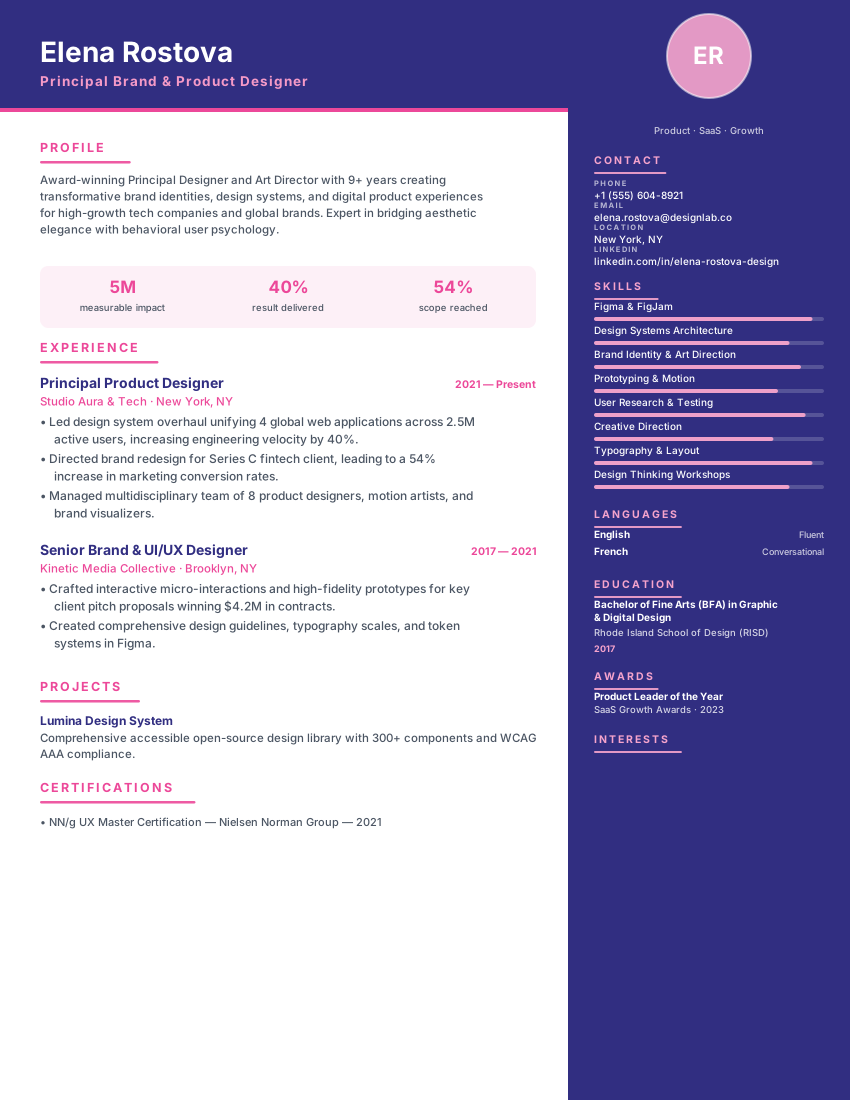
Designer resume with indigo sidebar on the right, pink dot markers and photo header for UI/UX and art directors.
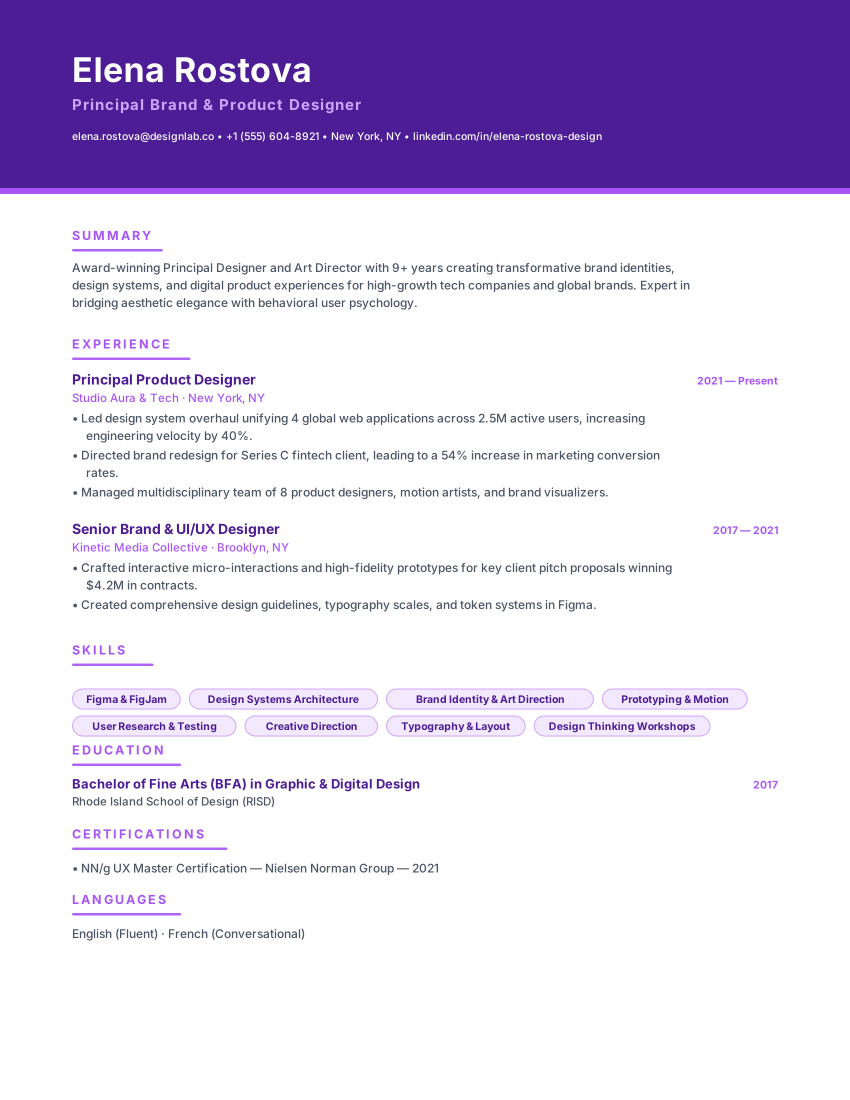
Bold creative resume with violet banner header, purple accent bars and portfolio section for brand strategists.
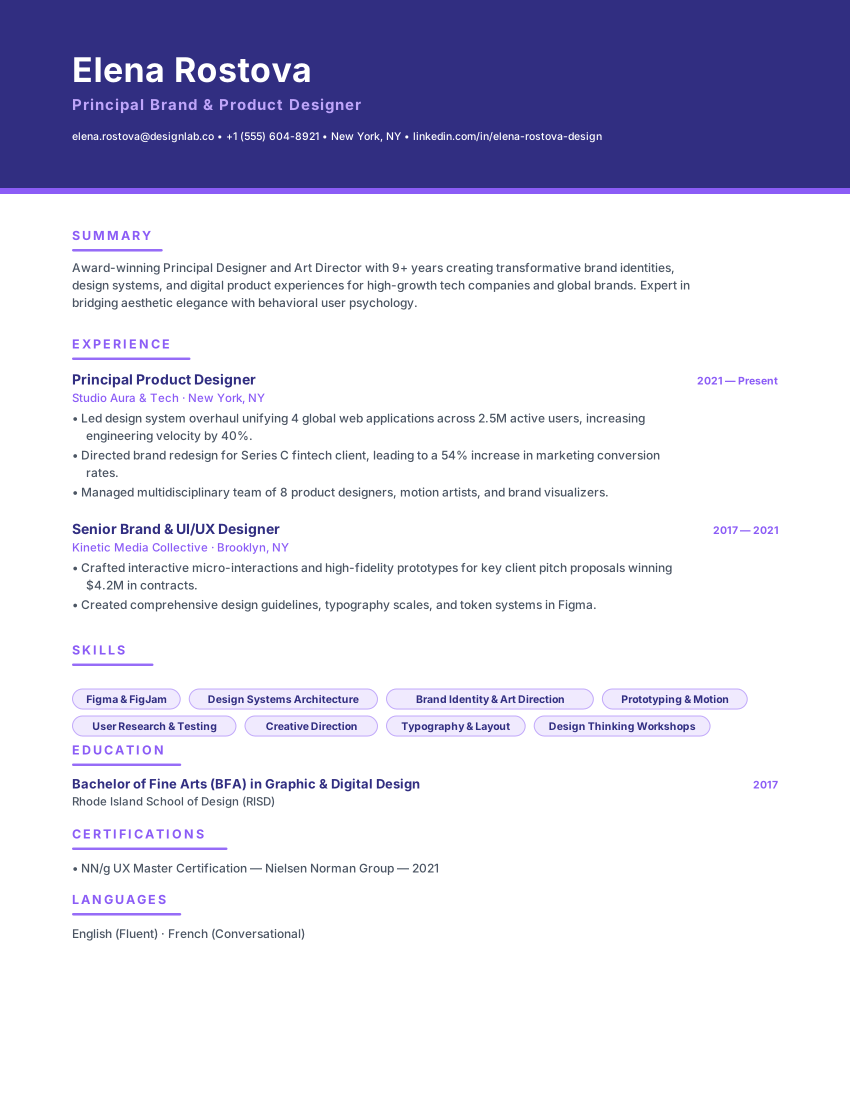
Creative banner resume with indigo header, violet accents and card-style left lines for UI/UX and brand designers.
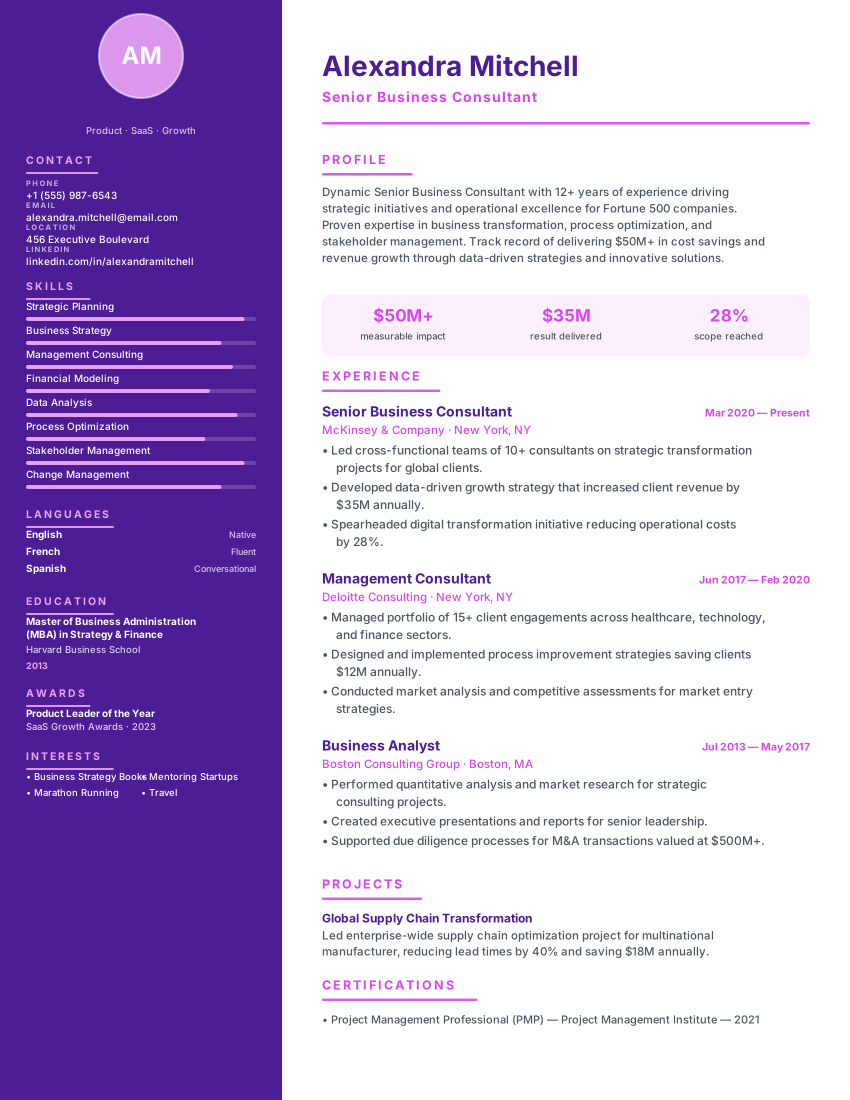
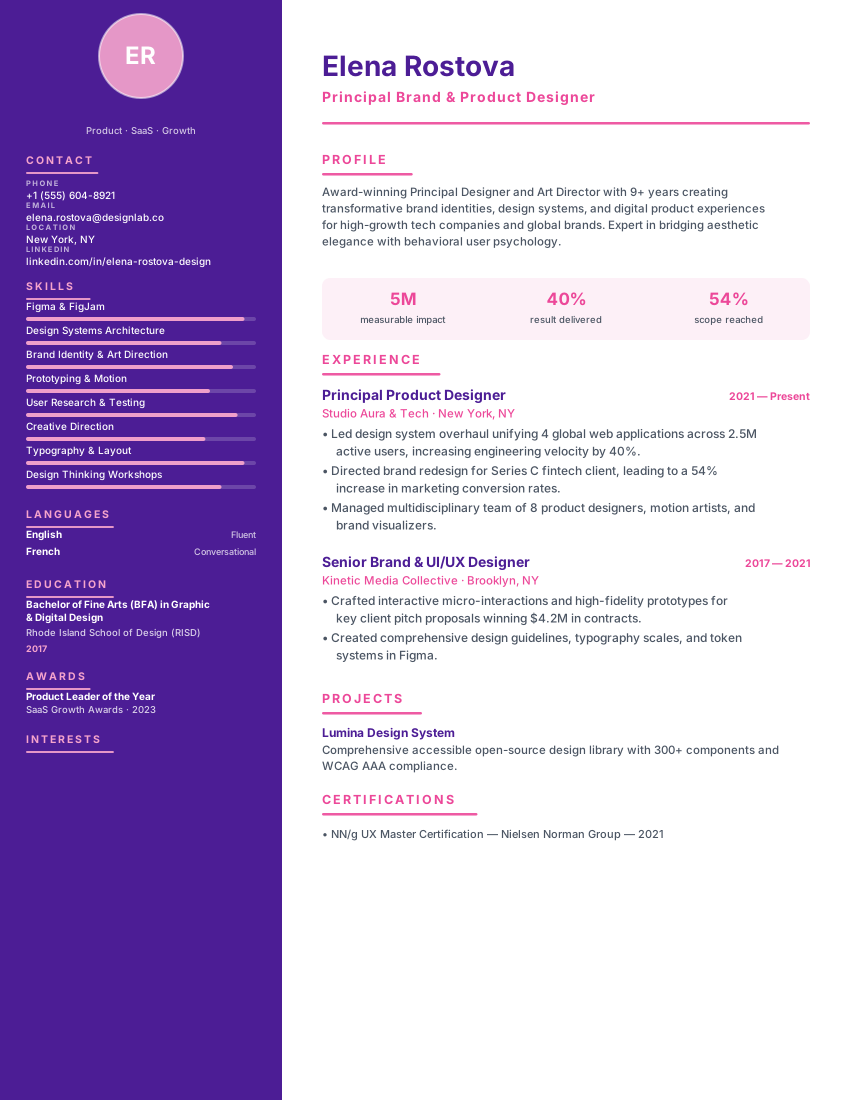
Vibrant creative resume with deep purple sidebar and magenta timeline dots for designers, artists and brand strategists.
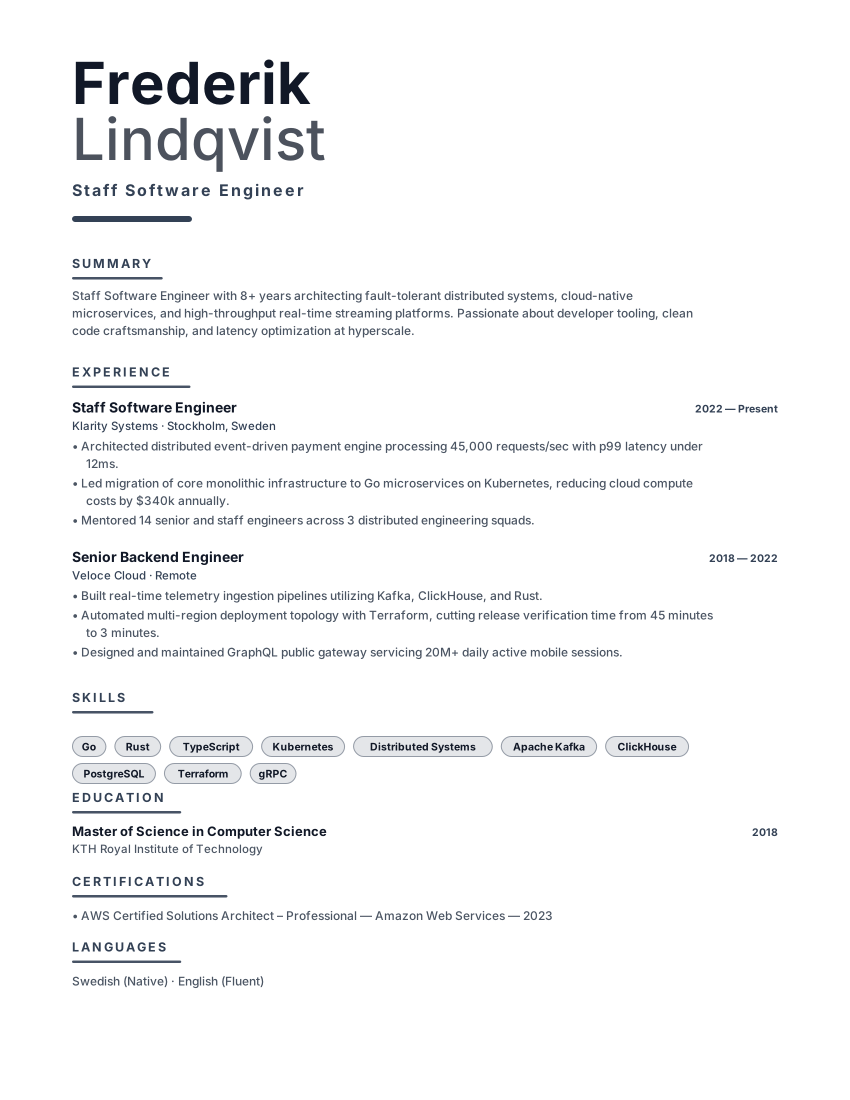
Typography-driven resume with oversized name, charcoal accent bar and minimal chrome for designers and writers.
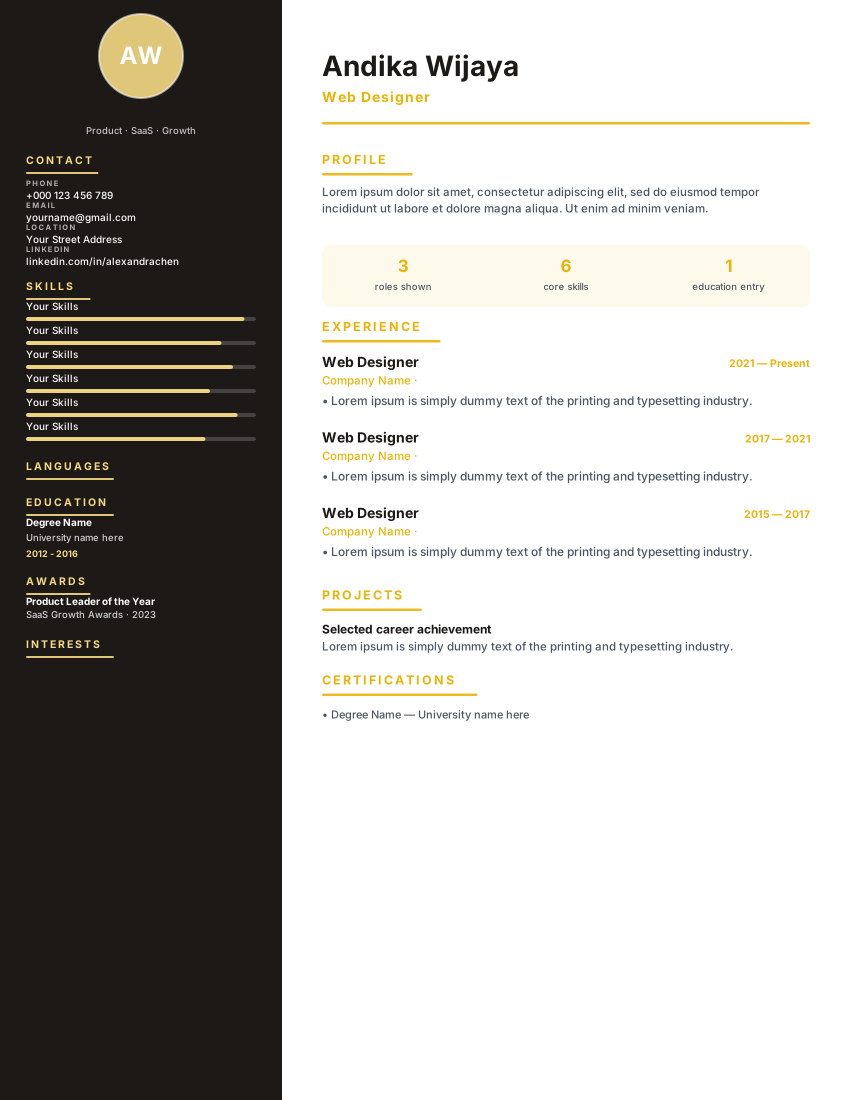
Luxury dark charcoal sidebar with true gold accents and skill bars for web designers and creative directors who want a portfolio-style resume.
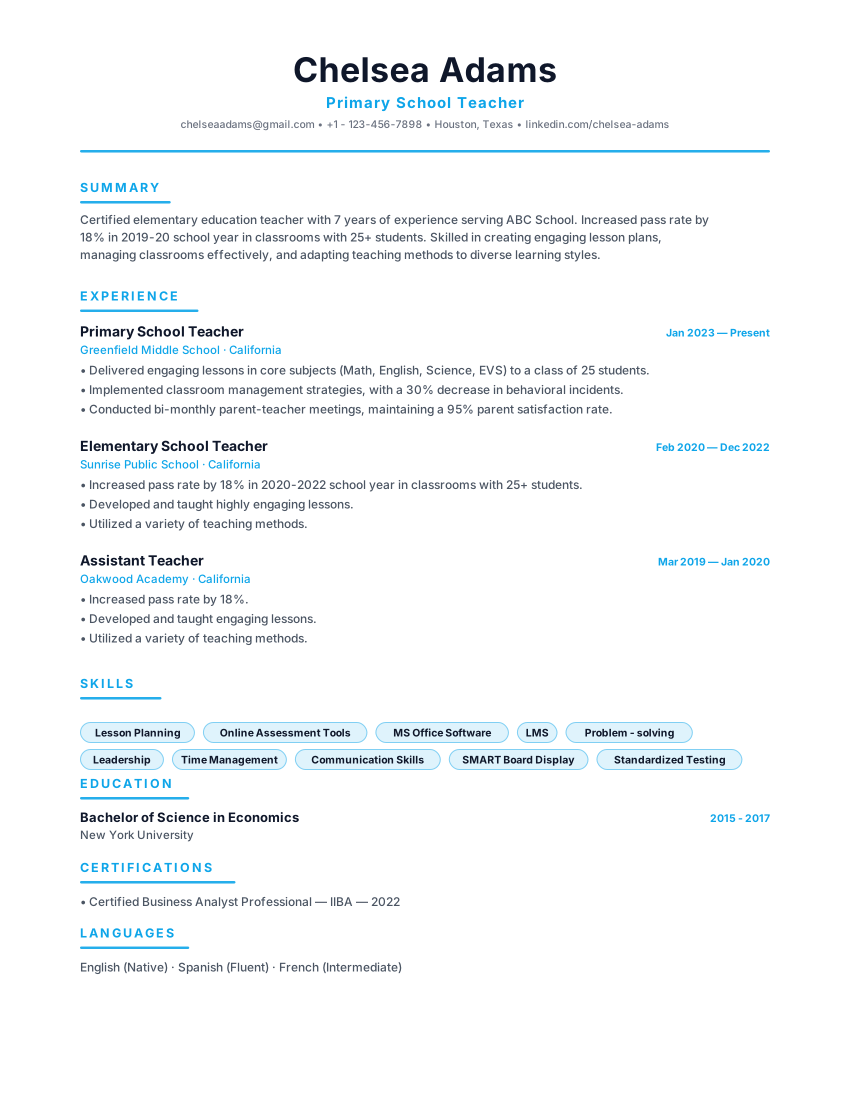
Ultra-clean minimal resume with sky-blue accent, generous whitespace and a left-aligned header. Perfect for tech and product roles.
Layout, not adjectives
The right template for this field is the one that puts the evidence a ux designer screen checks first in a document a parser can still read. Style is secondary.
Match the market
What belongs on the page
One link, current, password-free if you can. A locked Figma file that a recruiter cannot open is wasted space.
Problem, method, outcome. Choose for relevance to the vacancy, not for how colourful the screens are.
Interviews, usability tests, diary studies, analytics. "User-centred designer" is not a method.
WCAG level, how you tested, what changed. This is one of the few design claims that is both searchable and verifiable.
From template to file
The portfolio does the visual arguing. This document has to parse.
Not as a QR code, not as a logo. Selectable text survives more parsers.
Constraint, what you did, what changed for the user or the business.
If the URL or the method names are gone, pick a simpler template and try again.
Questions
Less than you think. The portfolio is where taste shows. A heavily designed CV is one of the most expensive mistakes in this field because it often never reaches a human.
Two or three, chosen for the vacancy. A product role wants product work; a research role wants research. A sprawling archive makes the reader do the selection.
List daily tools and anything the advert names. "Figma daily, FigJam for workshops, some After Effects for motion" is more credible than a blanket Creative Cloud claim.
They can, but most UK, US and Irish applications are better without one. Follow the market you are applying in; the European CV guides on this site cover the markets that expect a portrait.
Open a template, replace the sample history with your own, and export a PDF or Word file. No account.